As a further example of Xenon Technical Services commitment to professionalism Dr Louise Womack has been awarded the NEBOSH National General Certificate in Occupational Health and Safety with Distinction.

Latest News
 As a further example of Xenon Technical Services commitment to professionalism Dr Louise Womack is now member of BADGP. Xenon Technical Services can carry out the “Dangerous Goods Awareness Training” at either the company’s site or at a nearby training facility in Mold, North Wales. The training can be tailored made to each company requirements, in terms of class of goods carried with examples given applicable to the company.
For more details please contact Xenon Technical Services.
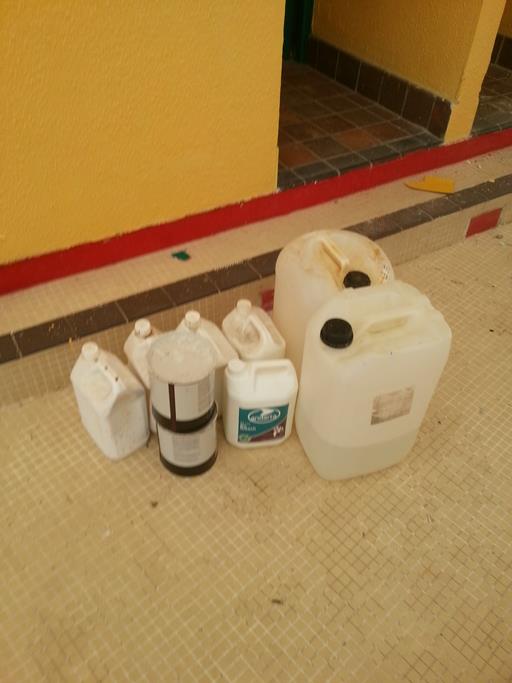
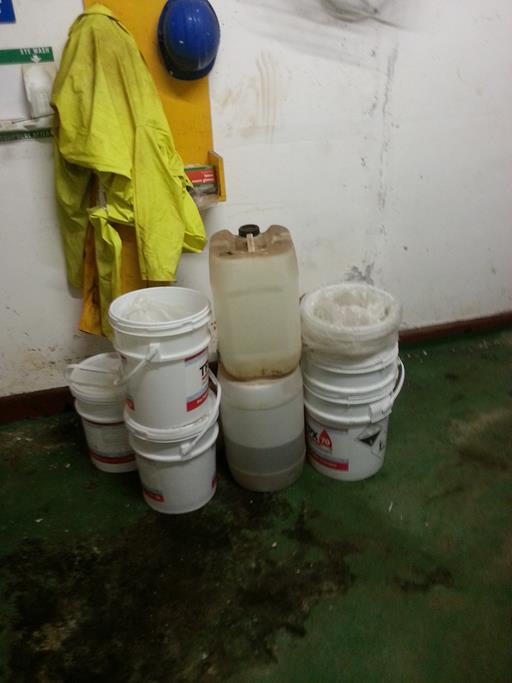
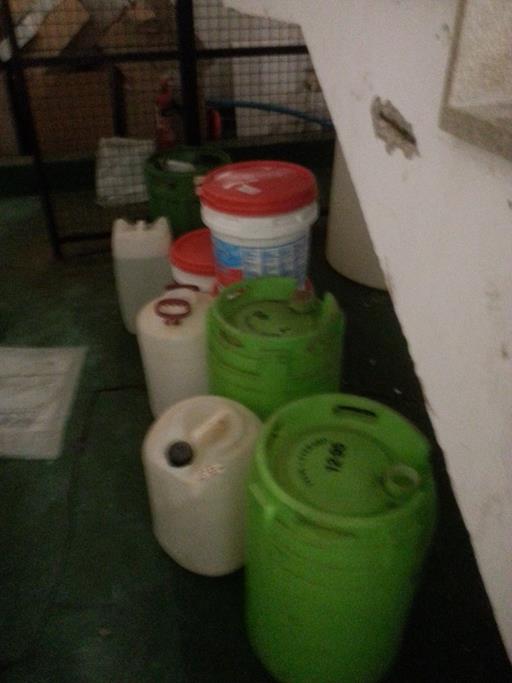
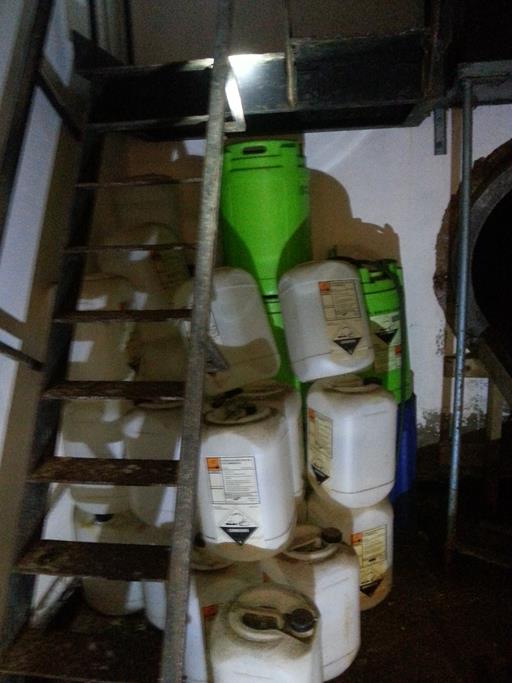
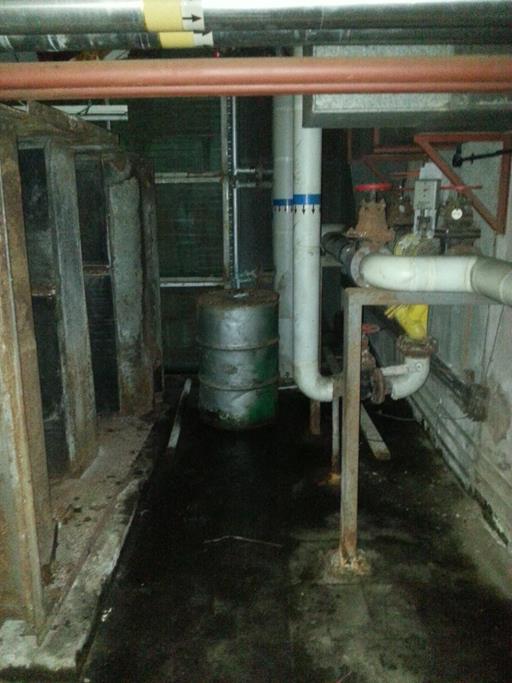
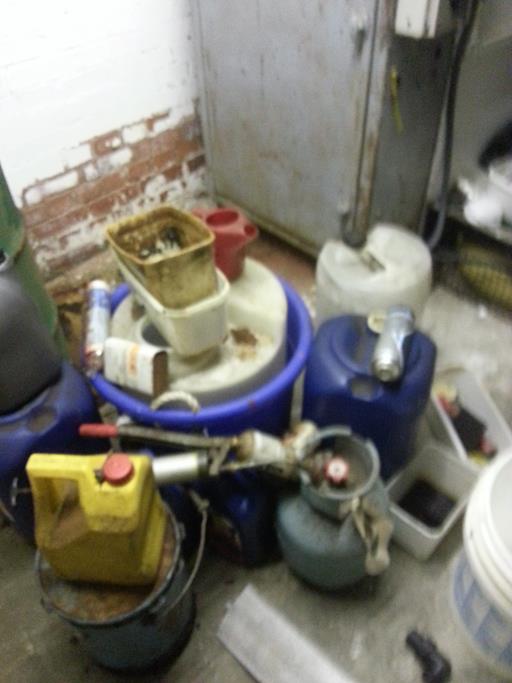
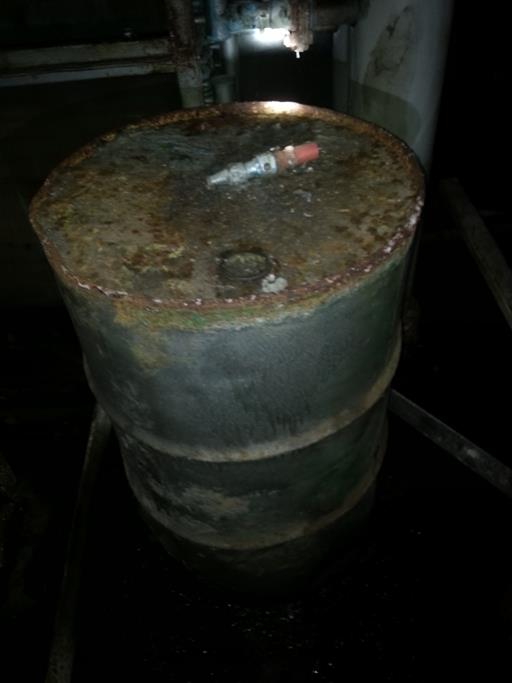
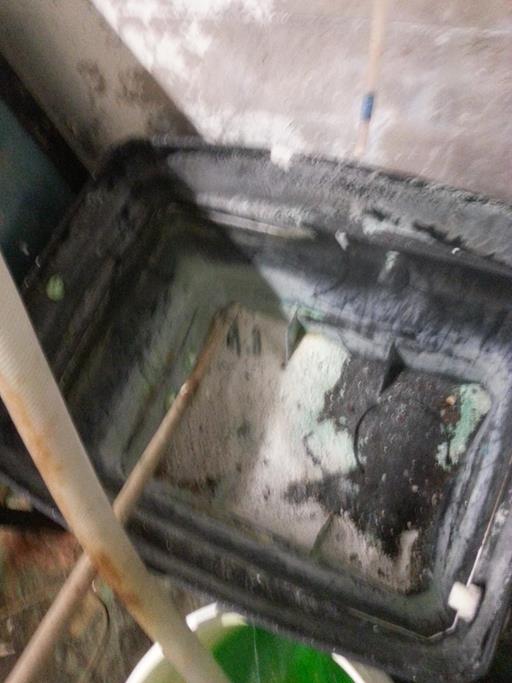
Xenon Technical Services this week went into the Rhyl Sun Centre to clear the last remaining swimming pool chemicals, day tanks and other waste chemicals generated from maintenance of the centre prior to the demolition of the centre on the 22nd August 2016. This is the second swimming pool project Xenon Technical Services has carried out for Denbighshire County Council, last April it was the Nova Centre at Prestatyn. Located in Saltney , Xenon Technical Services are suitably located to respond to jobs in North Wales. In the case of the Nova Centre the discovery of the chemicals was stopping construction work, so response time was an important factor.
Please contact Xenon Technical Services for details on similar projects.
See photos (please note some photos due to poor lighting are of poor quality)


CL:AIRE has published the Joint Industry Working Group Asbestos in Soil and Construction & Demolition (C&D) Materials guidance titled “Control of Asbestos Regulations 2012: Interpretation for Managing and Working with Asbestos in Soil and Construction & Demolition materials: Industry Guidance (shortened name CAR-SOILTM)”.
This authoritative document has been prepared with the support of the Health and Safety Executive and presents the definitive explanation of how the legal requirements of the Control of Asbestos Regulations 2012 (CAR 2012 or the Regulations) have been interpreted to apply to work with asbestos contaminated soil and construction & demolition materials.
The guidance is underpinned by the fundamental requirements expressed in the Regulations, in relation to the protection of employees from risks related to exposure to asbestos, but is set within a carefully considered framework designed specifically for soil and C&D materials contaminated with asbestos.
In order to be more directly applicable to the risks associated from work on soil and C&D materials contaminated with asbestos, the Regulations have been interpreted in order to allow practical guidance to be produced that is fit for purpose whilst allowing compliance to be demonstrated with the overarching requirements set out in the Regulations
Why effective environmental management is a business opportunity and where should you start with environmental management?
Are you thinking about implementing an environmental management system? Even if you aren’t considering introducing one yet (and in fact you might not be entirely sure what it is!) it makes a lot of business sense to know more about the core principles involved. Because potentially they can have a very positive impact on your bottom line.
Many businesses choose to implement a formal environmental management system (EMS) because, like other management systems such as quality and safety, it allows them to develop a better understanding of their strengths and weaknesses and assists with meeting legal responsibilities. The tools it provides helps with identifying and managing significant environmental issues as well as creating benchmarks for improvements. But the impact goes beyond that. It’s an excellent way of saving your business money. How? By making sure you’re managing waste and using resources carefully to reduce costs. An effective EMS has the potential to help you increase business too by demonstrating to customers and other stakeholders that you’re an environmentally aware company with a genuine commitment to continual improvement. If you choose to have your system externally verified you’ll increase that impact. Many large businesses and government departments will only consider dealing with you if you’ve an externally accredited EMS in place – and that can present a massive sales opportunity. There are a number of environmental standards your business can be certified against; one of the best known is ISO 14001 but whichever you choose, make sure it’s a certification body that’s approved by the United Kingdom Accreditation Services (UKAS).
Even if you don’t feel going down the EMS route is right for you, some basic knowledge about the key issues will be extremely helpful when it comes to running your business more efficiently and using resources more effectively. And let’s not forget that sustainability and corporate social responsibility are moving higher up the agenda too. With more millennials entering the workplace – a generation with big expectations in terms of social responsibility – you don’t want to be left behind. Different environmental issues will resonate with different people for different reasons but they’re all important considerations for a business.
So where do you start? You may be uncertain about whether you should implement any kind of EMS, let alone a fully accredited system. Or you may want to increase general awareness of environmental issues in your business or help employees understand the role they can play in improving its environmental performance. The one day NEBOSH Environmental Awareness at Work qualification provides you with the perfect starting point.
What does it cover?
It’s an information-packed course that introduces you to the main concepts behind effective environmental management. It starts off by making sure you understand the key terms before taking you through, amongst other things, the core components of an EMS, pollution management, impact assessments, waste management and dealing with environmental emergencies. As course trainer Dr Louise Womack (of Xenon Technical Services Limited) says, this is a day that touches on a bit of everything.
‘We’ll talk about sustainability, climate change and biodiversity. And waste management which can be a major problem too. Many companies I’ve worked with have been shocked when they’ve realised what a massive issue – and bill – is being created by poor waste management. Social responsibility is increasingly becoming a significant factor in the way companies of all sizes are run and this course helps delegates know where to begin with addressing all these diverse issues.’
While it’s helpful if you’ve already attended previous NEBOSH courses, this is a programme that’s ideal for anyone who’d benefit from a general understanding of environmental issues in the workplace. As course attendees must be registered with NEBOSH before taking the course and short assessment, they must be enrolled a month ahead. Interested in learning more? Then visit Delyn Safety UK for further information and to register for upcoming environmental awareness at work courses.
Part 2 of the Legal Definition of waste has been updated today and gives advice to organisations such as businesses , local authorities and charities. This is statutory guidance and can be found at the following link.
The general guide explains how to work out if waste rules apply to your material. You will need to:
- decide if your material is waste
- identify when waste rules apply
- find out when waste ceases to be waste
- find out when waste rules do not apply
The full document is in 3 parts, they are:
- part 1 – sets out the background and rationale for providing guidance on end of waste
- part 2 – a practical guide for businesses and other organisations
- part 3 – detailed guidance on the legal definition of waste and its application
Link: https://www.gov.uk/government/publications/legal-definition-of-waste-guidance
The HSE every month publishes prohibition notices for companies who have breached Dangerous Goods Regulations here: http://www.hse.gov.uk/enforce/cdg-notices.htm?eban=rss-carriage-dangerous-goods
This is a useful tool for companies who carry Dangerous Goods to ensure they are also not being caught out by simple omissions. For instance fire extinguishers being out of date or no instructions in writing available on the use of the item.
If you would like help or need a Dangerous Goods Safety Advisor (DGSA), contact Xenon Technical Services Limited .
The Duty of Care Code of Practice for England has been published today, this is statutory guidance and can be found at the following link: https://www.gov.uk/government/publications/waste-duty-of-care-code-of-practice/waste-duty-of-care-code-of-practice-read-online
If you need help or advice on the correct methods of disposing of waste safely for a company please contact us for more information.
The Department of Transport has updated the guidance on security for drivers who carry Dangerous Goods.
The guide includes security plan templates, security risk assessment, driver security advice sheet and a Dangerous Load Card. If you need help or consultation on Dangerous Goods, advice on the updated guidance or need a Dangerous Goods Safety Advisers (DGSA) please contact Xenon Technical Services Ltd.
Full information on the guide can be found here – https://www.gov.uk/government/publications/security-requirements-for-moving-dangerous-goods-by-road-and-rail
Previously in England any producers who produced more than 500kg of Hazardous Waste (Chemical, Flu Tubes, Oil etc) in a twelve month period had to register with the Environment Agency to get a Hazardous Waste Producer Code – taking the format 3 letters 2 numbers eg XYZ123. There was a cost to this and the producer had to renew every 12 months thereafter (been in place since July 2005). This code is used on documentation for all Hazardous Waste Movements (called the Consignment Note) , the duty to register each site producing hazardous waste has now gone (in England only) thus no cost to register and keep registering and is part of the governments Red Tape Challenge.
The letter from the EA explains how to generate a 6 alphanumeric code which will take the place of the old code, based primarily on the company name. Other issues including the use of SIC 2007 has been simplified.

All companies however in Wales still have to register the site and get a Hazardous Waste Producer Code from Natural Resource Wales.
If you need any help or advice then please come to Xenon Technical Services for help…..(as a note Scotland also have a totally different system as still under Special Waste Regs there!)
Authorised trainer for

The NEBOSH Award in Environmental Awareness at Work
Xenon is proud to support

For asbestos and demolition safety consultancy and training schemes.

